Guides
Essential DJ equipment checklist for a brand new business
A start-up DJ rig comes down to named gear, a backup mixer, one spare of everything that can fail mid-set, and paperwork filed before the first booking.
What to take away
- Two media players or direct-drive turntables, a two or four channel mixer, and one all-in-one controller are the core. Buy the controller first if the budget is tight.
- One powered top per side plus a subwoofer covers most rooms up to about 150 guests. A second pair is the backup, not the upgrade.
- Carry two of every cable, one spare microphone, and a charged power bank. A dead XLR ends a set faster than bad mixing.
- Price gear against a rate card, not a wish list. The rig has to earn back its cost inside one season of bookings.
- File the paperwork before the first paid gigmusic licensing, insurance, and a written equipment list for the policy.
A new DJ business fails on gear it did not buy, not gear it bought badly. The essential DJ equipment checklist below names the items, what each one does, and the reason it earns a place in the van.
Prices move with the market and the model year, so the figures here are typical street prices, not quotes. Compare any figure you are given against new versus used DJ equipment costs before you commit.
The core rig
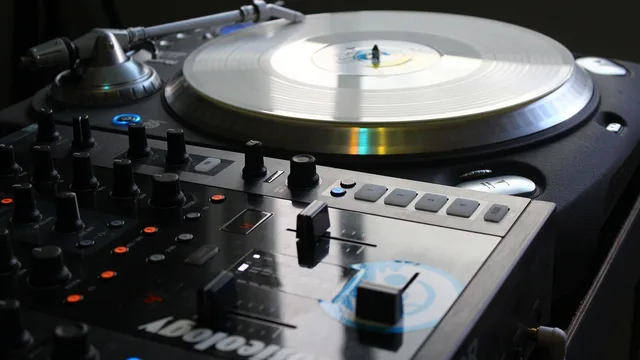
Players or turntables. Two units, whether CDJ-style media players or direct-drive turntables. Pioneer DJ CDJ-3000s list near $2,600 each and Denon DJ SC6000s about $1,500. A used CDJ-2000NXS2 typically sells for $1,200 to $1,600. Two is the floor: one deck means no mixing, and no mixing means no gig.
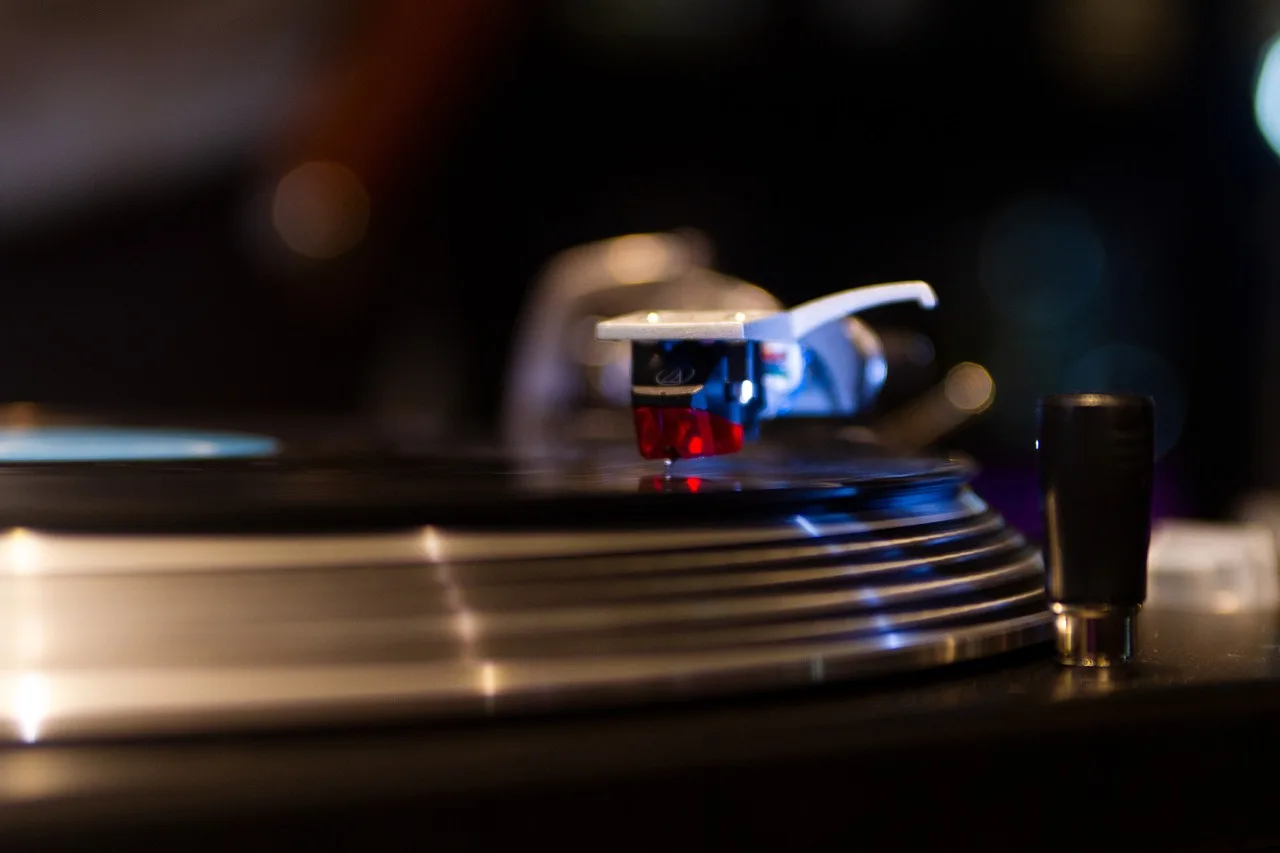
A Technics SL-1200MK7 sits near $1,100, and the Audio-Technica AT-LP120XUSB is a budget direct-drive deck at about $350. Vinyl sets and venue-supplied mixers are the usual reasons to add them.
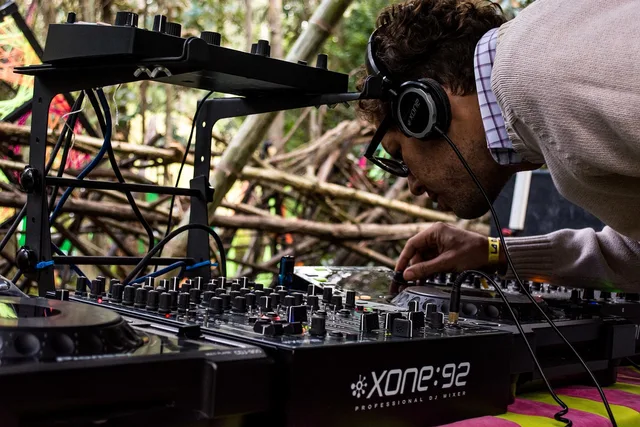
Mixer. A two-channel mixer is enough for two decks. A four-channel unit is worth the extra only if you plan to add a third deck, a sampler, or a guest's controller.
The Pioneer DJ DJM-250MK2 is about $350. The four-channel DJM-900NXS2 runs about $2,200 new, and a used DJM-800 often sells near $500.
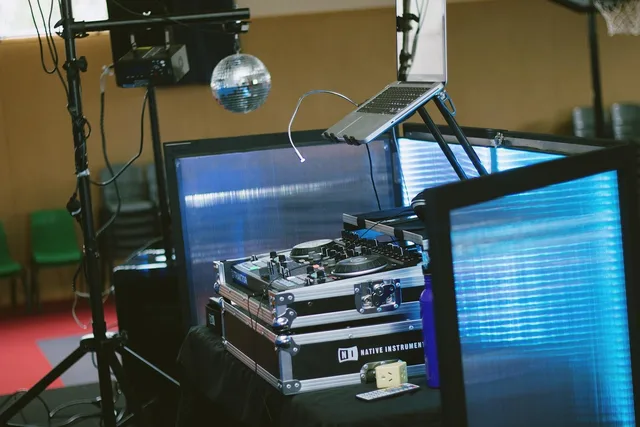
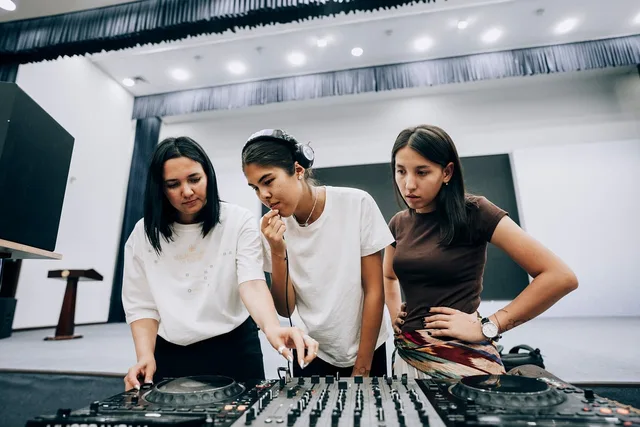
Controller. A two-channel all-in-one controller runs a laptop-based set and is the cheapest way to start. It replaces players and mixer together, which is why most new DJs buy it first.
The Pioneer DJ DDJ-FLX4 is about $300, the four-channel DDJ-FLX6-GT about $600, and the club-layout DDJ-1000SRT near $1,300. A standalone Denon DJ Prime Go costs about $1,000 and needs no laptop.
Laptop. Any machine that runs your software without stuttering. Keep it offline during gigs, and keep a second drive with your library on it. A 1 TB external SSD typically costs $60 to $120.
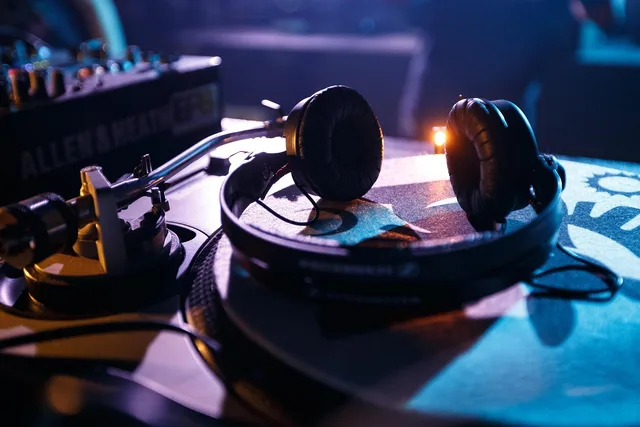
Headphones. Closed-back, so you can cue the next track without the room hearing it. One pair is fine; two is better.
The Sony MDR-7506 is about $100, the Audio-Technica ATH-M50x about $150, and the Sennheiser HD 25 about $200. The Pioneer DJ HDJ-X5 is about $100.
Microphone. A wired dynamic mic for announcements, toasts and MC work. The Shure SM58 and the Sennheiser e835 both sell for about $100.
Wireless is a convenience, not a requirement, and it adds a receiver and batteries to every load-in. A Shure BLX24/SM58 system runs about $350.
Sound and light
Powered speakers. One top per side on stands. A pair of 12-inch tops handles a bar or a small hall; 15-inch tops push further but weigh more.
The QSC K12.2 is about $1,050 each, the RCF ART 912-A about $900, the JBL EON715 about $650, and the Electro-Voice ZLX-12P G2 about $500.
Subwoofer. One powered sub fills the low end that tops cannot. The QSC KS118 runs about $1,800 and the JBL EON718S about $1,000. Skip it for weddings under 80 guests, add it for anything with dancing.
Speaker stands and poles. Two stands, two poles, one bag. Aluminum pairs from Gator or Rockville cost $60 to $100. This is the item new DJs forget and then improvise with a chair.
Cases and covers. A padded controller bag runs $50 to $120. A hard flight case for a controller is $100 to $250, and turntable road cases run $150 to $400.
Cables. Two of every cable you own: XLR, RCA, TRS, IEC power, USB. Hosa and Mogami XLR cables run $10 to $40 each, and a 25-foot XLR is typically about $20. A cable is the most common failure in a rig and the cheapest spare.
Power. A surge protector, a 25-foot heavy-gauge extension, and gaffer tape over every run the crowd can reach. A Furman M-8x2 conditioner is about $180 and a 12-outlet strip about $30. Gaffer tape runs $20 to $30 a roll.
Lighting. Two wash fixtures on a stand, or a small bar wash. The Chauvet DJ SlimPAR 56 is about $100 each and the ADJ Mega Hex Par about $130.
The Chauvet GigBAR Move bundles lights, laser and stand for about $600. Enough to make a dark room look intentional, not enough to need a rigging inspection.
Fog or haze. Optional, and check the venue before you use it. Many rooms ban it outright because it sets off fire alarms. A small hazer typically costs $150 to $400.
What to carry as spares
- One spare XLR and one spare RCA cable
- One spare microphone and a fresh battery
- A backup USB drive with your library
- A charged power bank for your phone
- Gaffer tape, cable ties, and a multi-tool
- A printed equipment list for the insurance file
Paperwork before the first booking
Music licensing is not the same as a streaming subscription. The U.S. Copyright Office on copyright and the music marketplace sets out how public performance, reproduction and other uses follow different rights and licensing paths.
Confirm what your venue already holds and what you must hold yourself with the rights organisations and the venue.
Venues commonly ask for a certificate of insurance naming them as additional insured. The Association of DJs and event hosts publishes guidance on coverage levels, and your broker sets the actual figure. Do not sign a venue contract you have not read; venue counsel or a licensed attorney is the person to ask.
Two federal starting points are worth reading once, not once per gig. OSHA's emergency preparedness guidance covers evacuation, accountability and contacts for a workplace plan. OSHA's safety management guidance explains finding and fixing hazards before an incident. Electrical work, rigging and truss loading belong to a licensed electrician or rigging inspector, never to a checklist.
Tax treatment of gear, subcontractors and the business itself varies. IRS publications and a CPA are the authorities; this article is not one.
Common questions
Do I need turntables or a controller to start?
A controller is the cheaper start and covers most bookings. Add turntables when your clients or your own sets call for vinyl, or when a venue supplies a mixer and expects media players.
How much gear is enough for a first season?
Two players or one controller, a mixer, two tops, and one sub will cover bars. A mic and a full set of spares will cover weddings and private parties. Add capacity only when a booked event pays for it.
What breaks most often at a gig?
Cables, then microphone batteries, then laptop drives. Carrying one spare of each costs less than a single lost deposit and removes the most common reason a set stops early.
What should I sort out before advertising?
Insurance, music licensing, and a written equipment list for your policy. Confirm each with your broker, the rights organisations and the venue, since requirements differ by state and by room.