Guides
5 steps to equip a new DJ facility with the right equipment
Five steps for fitting out a DJ facility cover playback, mixing, sound, lighting and power, each with named gear and the checks that decide every purchase.
What to take away
- Buy playback first. Two Pioneer CDJ-3000 decks (about $2,500 each) and a Pioneer DJM-A9 mixer (about $2,700) cover club and wedding work. A Pioneer DDJ-FLX10 controller (about $1,600) covers mobile gigs for a fraction of the cost.
- Match speakers to the room, not the catalog. Two QSC K12.2 tops on poles (about $1,000 each) handle 100 guests. Add one QSC KS118 subwoofer (about $1,800) per 150 guests outdoors.
- Power and cable are equipment. Budget a Furman M-8x2 power conditioner (about $150), 12-gauge extension runs and a backup mixer, because a dead channel at 9pm has no fix.
- Price the rig into every quote. A $6,000 setup carries about $40 per gig in gear cost, and the floor reaches $85 a gig once insurance, licensing and transport are added.
- Write the load-in, setup, soundcheck, performance and teardown sequence down before the first booking, and give every crew member the same copy.
This article covers gear selection and workflow for a DJ business. It is not legal, tax, electrical or safety advice. Confirm licensing with ASCAP, BMI or a licensed attorney, electrical work with a licensed electrician, and recordkeeping with a CPA.
A new DJ facility is not a room with speakers in it. It is a playback system, a mixing system, a sound system, a lighting system and a power plan that all have to survive a Saturday night and load back into a van by 2am.
The five steps below equip a new DJ facility with the right equipment in that order. Buying out of order is how owners end up with a $3,000 mixer and no way to power it.
Step 1: Choose the playback source, from CDJ-3000 to DDJ-FLX10
Playback shapes everything downstream. Standalone decks, a controller or a laptop each change what goes in the rack.
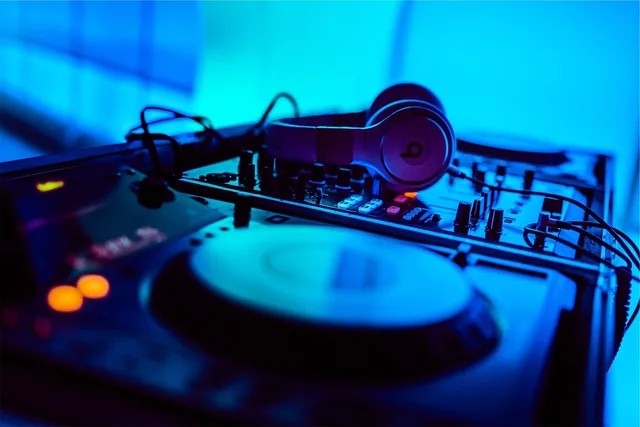
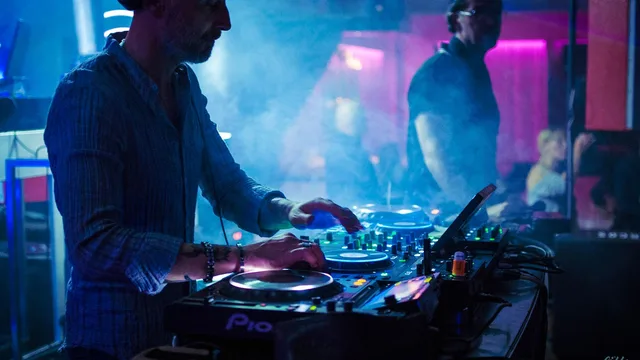
Pioneer CDJ-3000 is the current club standard media player. Two decks plus a mixer is the format most touring DJs and club residencies expect, and it means a guest DJ can walk in and play from a USB stick. Budget roughly $2,500 per deck.
Pioneer DJM-A9 is the mixer that pairs with them, at around $2,700 for four channels. It is the safe default because every visiting DJ knows the layout.
Allen & Heath Xone:96 is the club and audiophile alternative at roughly $2,000, and Rane mixers fill the same niche for scratch-focused booths.
Pioneer DDJ-FLX10 is a four-channel controller that runs from a laptop. It suits mobile DJs, weddings and corporate work where you carry your own rig and never share it. Around $1,600, and it replaces two decks and a mixer at once.
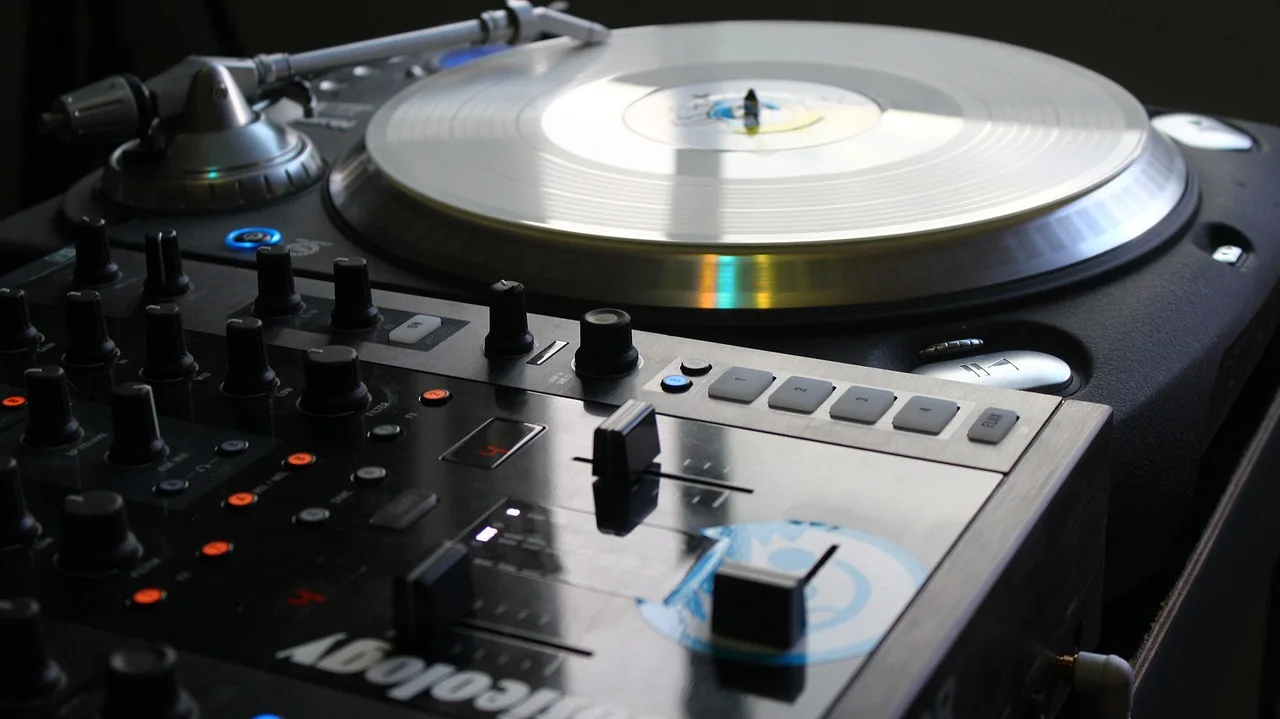
Technics SL-1200 turntables remain the reference for vinyl sets and scratch work. A new SL-1200MK7 runs about $1,000 and the SL-1210GR about $1,700. Buy them only if your bookings actually call for vinyl; they are heavy, they need cartridges and styli, and they add a failure point.
Denon DJ SC6000 is the main alternative to the CDJ line, with a larger screen and a lower price, near $2,200 a deck. It suits DJs building a second rig or a backup, though guest DJs are less likely to know the layout.
Step 1: Choose the playback source
| Item | Type | Typical price | Who it suits |
|---|---|---|---|
| Pioneer CDJ-3000 | Media player | About $2,500 each | Club residencies and guest DJs |
| Pioneer DJM-A9 | Four-channel mixer | About $2,700 | Shared booths |
| Allen & Heath Xone:96 | Four-channel mixer | About $2,000 | Club and audiophile rooms |
| Pioneer DDJ-FLX10 | Four-channel controller | About $1,600 | Mobile, weddings, corporate |
| Denon DJ SC6000 | Media player | About $2,200 each | Backup or second rig |
| Technics SL-1200MK7 | Turntable | About $1,000 each | Vinyl and scratch sets |
A two-deck CDJ-3000 rig with a DJM-A9 lands near $7,700 before speakers. Weigh that against the $1,600 controller before you commit.
Step 2: Match the sound system to the room
Speakers are where new owners overspend or underspend by the largest margin. The rule is coverage first, then headroom.
Step 2: Match the sound system
| Room or crowd | Tops | Subwoofers | Notes |
|---|---|---|---|
| Under 80 guests, indoors | 2 x QSC K12.2 | none | Poles, no truss needed |
| 80 to 150 guests | 2 x QSC K12.2 | 1 x QSC KS118 | Standard wedding rig |
| 150 to 300 guests | 2 x QSC KW153 | 2 x QSC KS118 | Needs a second amp channel |
| Ceremony or breakout room | 1 x Bose S1 Pro | none | Battery capable |
| Outdoors, any size | Double the indoor count | Double again | Bass does not stay in the tent |
QSC K12.2 powered tops are the workhorse for mobile work: about $1,000 each, 2,000 watts peak, and light enough for one person to pole-mount. QSC KS118 subwoofers run around $1,800 and pair with them without a separate amp.
Electro-Voice ZLX-12P tops cost about $400 and Yamaha DBR12 about $500, so a first rig can be built for less than half the QSC price. Both trade headroom for budget; rent the QSC pair for the largest rooms.
JBL EON ONE Compact and Bose S1 Pro are the small-room options for ceremonies, cocktail hours and corporate breakouts. Around $600 to $1,000, battery capable, and they fit in a car.
Shure SM58 and Sennheiser EW-D wireless systems cover toasts and MC work. A wired SM58 is about $100 and never drops out; the wireless set runs near $700 and needs a spare set of AA batteries in every case.
For monitors, a single QSC K8.2 at the booth is enough for most DJs. It costs about $700 and saves your hearing during a four-hour set.
Step 3: Add Chauvet lighting, Furman power and cable
Lighting sells the room. Power is what makes it work, and it is the line item new owners forget.
- Chauvet GigBAR Moveis an all-in-one bar with wash lights, a derby and a laser. Around $700, one tripod, one power cable.
- ADJ Mega Hex Paruplights run about $150 each. Six of them wash a small room; twelve cover a ballroom. Chauvet DJ SlimPAR 64 RGBA fixtures cost about $130 and do the same wash on a tighter budget.
- Chauvet DJ Obey 40DMX controller at roughly $150 runs the pars and the bar from one desk.
- ADJ Fog Fury 2000fogger, about $250, adds haze for beam effects. Check the venue smoke alarm rules before you fill it.
- Furman M-8x2power conditioner, roughly $150, protects the mixer and decks from a bad circuit at the venue. Furman PL-8C at about $300 adds voltage metering for a full rack.
- 12-gauge extension cordsat 25 and 50 feet. Never run a subwoofer on a 16-gauge cord.
- Gaffer tape, cable ramps and a spare IEC cable for every powered box.These cost under $200 total and prevent most on-site failures.
Any work that touches a panel, a breaker, a truss or a rigging point goes to a licensed electrician or rigging inspector. Do not run your own circuits, and do not hang anything above a crowd without a certified rigger.
Step 4: Price the rig into the rate card
Gear is a cost of goods, not a one-time purchase. Every gig has to carry a share of it.
Work out the arithmetic with your own figures. If the rig costs $C and you expect it to last N gigs before replacement, then the gear cost per gig is C divided by N. Add insurance, transport, music licensing and wear, and that is your floor before labor and profit.
A worked example: a $6,000 rig expected to last 150 gigs carries $40 per gig in gear cost. Add $15 for insurance and licensing, $30 for transport, and the floor is $85 before the DJ is paid. A $400 quote looks healthy until you subtract it.
Typical rig budgets follow the same logic. Mobile wedding rates in most US markets typically run $800 to $1,500 for a four-hour reception, and club residencies typically pay $200 to $500 a night.
Deposits, cancellation terms and overtime belong in the same document. A standard booking agreement takes a 50% deposit to hold the date, charges the full fee inside 14 days of the event, and bills overtime in 30-minute blocks at the hourly rate.
Those terms are common, not universal. Your market sets what holds.
Step 5: Write the workflow and rehearse it
The five-stage workflow is load-in, setup, soundcheck, performance, teardown. Every gig runs it, and every stage has a failure mode.
- Load-in.Confirm the dock, the door width, the elevator and the parking before the day. A 300-foot carry turns a 90-minute setup into three hours. A RocknRoller R12 cart at about $300 ends most of that walk.
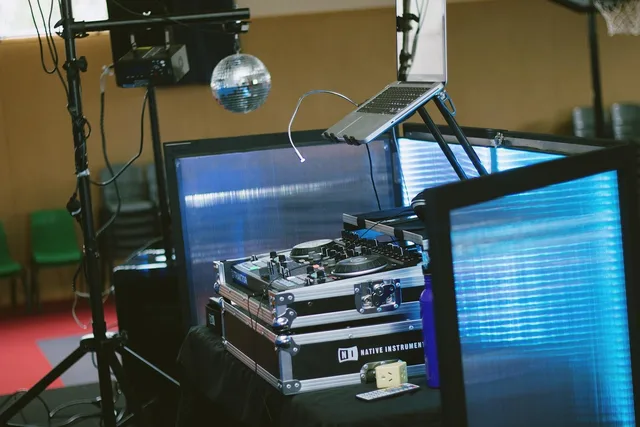
- Setup.Decks, mixer, speakers on poles, sub under the table, lights on the tripod, power conditioner last. Photograph the finished booth so the next crew can rebuild it.
- Soundcheck.Walk the room with a test track. Check the mic, the wireless channel and the sub level before doors open, not after. A Behringer CT100 cable tester at about $60 finds a dead XLR before the room does.
- Performance.Keep a backup mixer, a spare USB with the same playlist and a charged phone on the table. A dead channel at 9pm has no fix.
- Teardown.Count cables against the case list, photograph damage, and log anything that failed. That log is what tells you when to repair or replace.
OSHA publishes guidance on emergency preparedness and action plans that covers evacuation routes, accountability and contacts. Venues with a crowd capacity will usually have their own plan; ask for it at load-in. OSHA also sets out a safety management approach built on finding and fixing hazards before an incident, which is the same logic as your teardown log.
Two more pieces of paperwork sit behind the gear. Music use at a public event can involve public performance rights, and the U.S. Copyright Office study on the music marketplace explains why a streaming subscription does not cover a paid gig.
On the business side, the IRS recordkeeping guidance describes what receipts and asset records a small business should retain for equipment purchases and repairs.
Take both questions to a licensed attorney or a CPA rather than deciding them yourself. If you are still setting up the company behind the gear, the DJ business owner guide covers entity, insurance and booking setup before the first invoice goes out.
Common questions
Do I need CDJs or is a controller enough?
It depends on who books you. Club residencies and guest DJs expect CDJ-3000s or an equivalent media player, because they arrive with a USB stick. Mobile, wedding and corporate work runs perfectly well on a DDJ-FLX10 controller at roughly half the cost of a two-deck setup.
How many speakers do I need for 200 guests?
Plan on two tops and two subwoofers as a starting point, and double the sub count if the event is outdoors or in a tent. Coverage matters more than wattage: two speakers aimed at the back of the room beat four stacked at the front.
What should always be in the backup case?
A spare mixer, a second USB drive with the same playlist, two spare XLR cables, a spare IEC power cable, gaffer tape and a charged phone. Those items cost a few hundred dollars and cover the failures that actually end a gig.
Can I write off the whole rig in one year?
That is a tax question, and the answer depends on your entity, your income and how the equipment is used. The IRS recordkeeping guidance sets out what documents to keep; a CPA decides how the purchase is treated. Do not guess at it.